
You don't need an excuse to have beautiful nails. Step outside without worrying about the appearance of your feet.
You don't need an excuse to have beautiful nails. Step outside without worrying about the appearance of your feet.
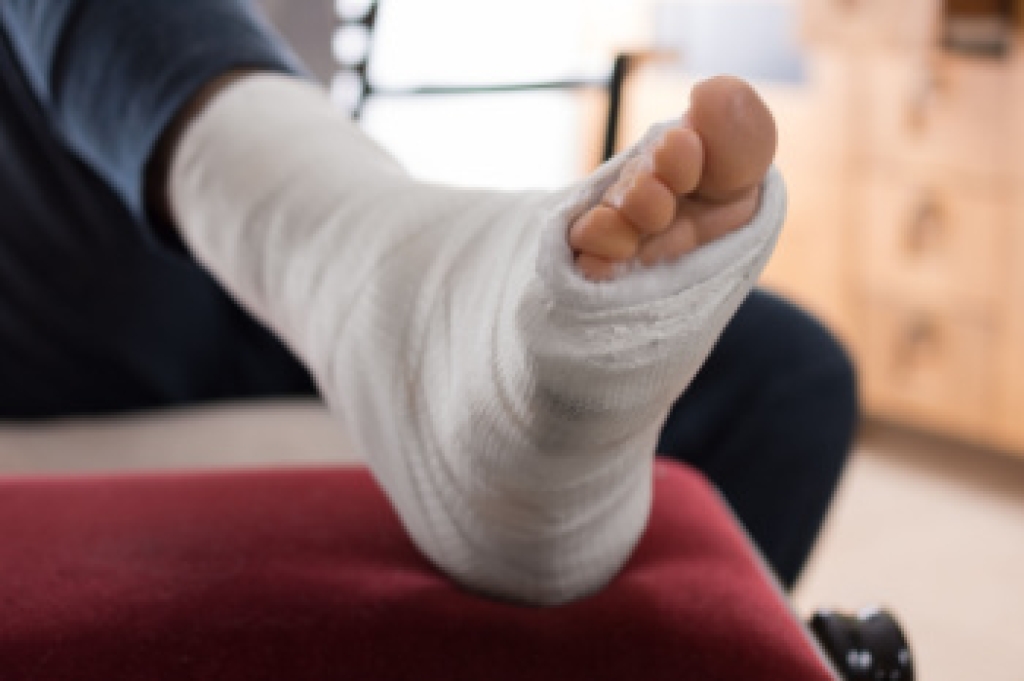
A Lisfranc fracture is an injury involving the section of the foot where several bones and ligaments connect the forefoot to the hindfoot. The injury can involve a broken bone, damaged ligament, or both. It may happen after a sports injury, fall, or vehicle accident. Because the Lisfranc joint complex supports the foot while walking, an untreated injury can cause pain, instability, and arthritis. Recognizing the injury can help protect foot function and improve recovery.
Symptoms may include pain across the midfoot, swelling, and difficulty putting weight on the foot. Bruising may appear on the bottom of the foot, which can be a warning sign. The foot may look swollen or misshapen, and walking may become uncomfortable. Some injuries are mistaken for a simple sprain because symptoms can vary. Risk factors include high-impact sports, falls, and accidents that force the foot into an abnormal position.
A podiatrist begins by reviewing how the injury occurred and examining the foot for swelling, bruising, and instability. Weight-bearing X-rays may help identify changes in bone alignment. CT or MRI scans may be recommended when the injury is difficult to see. Treatment depends on severity and whether the bones remain aligned. Stable injuries may require immobilization and limited weight-bearing. More serious injuries may need surgery to restore alignment and stabilize the damaged joints.
Healing from a Lisfranc fracture takes time and follow-up. A podiatrist may use a protective cast or boot, recommend crutches, and increase weight-bearing as healing progresses. After immobilization, rehabilitation can improve strength, flexibility, and balance. Imaging tests may confirm that the foot remains aligned during healing. Do not ignore midfoot pain or swelling after an injury. If you have a Lisfranc fracture or suspect this type of injury, it is suggested that you promptly consult a podiatrist for an accurate diagnosis and appropriate treatment.
A broken foot requires immediate medical attention and treatment. If you need your feet checked, contact one of our podiatrists from Pennsylvania Foot & Ankle. Our doctors can provide the care you need to keep you pain-free and on your feet.
Broken Foot Causes, Symptoms, and Treatment
A broken foot is caused by one of the bones in the foot typically breaking when bended, crushed, or stretched beyond its natural capabilities. Usually the location of the fracture indicates how the break occurred, whether it was through an object, fall, or any other type of injury.
Common Symptoms of Broken Feet:
Those that suspect they have a broken foot shoot seek urgent medical attention where a medical professional could diagnose the severity.
Treatment for broken bones varies depending on the cause, severity and location. Some will require the use of splints, casts or crutches while others could even involve surgery to repair the broken bones. Personal care includes the use of ice and keeping the foot stabilized and elevated.
If you have any questions, please feel free to contact one of our offices located in Bensalem, Philadelphia, Northeast Philadelphia, Yardley, PA, and Hamilton, NJ . We offer the newest diagnostic and treatment technologies for all your foot care needs.
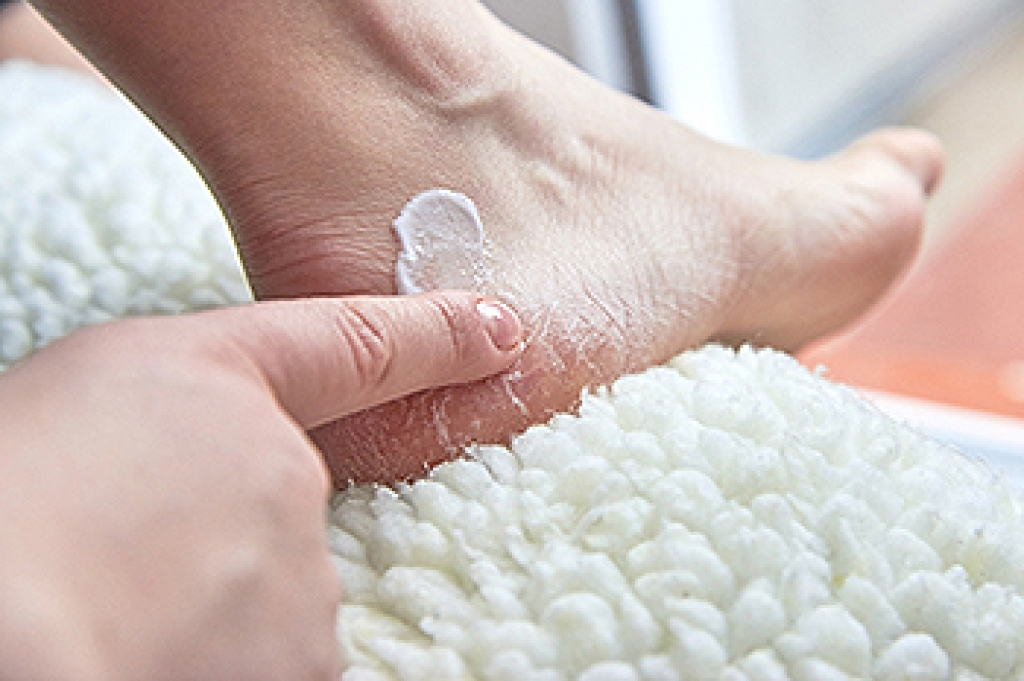
Cracked heels develop when the skin around the heel becomes dry, thick, and less flexible. As pressure increases during standing or walking, the skin can split and form painful openings. Symptoms include dryness, rough skin, or bleeding. Causes include dry weather, prolonged standing, and inadequate moisture. Simple preventive habits can help keep heel skin stronger and more resilient daily.
Diabetes can significantly increase the risk of cracked heels because elevated blood sugar may affect circulation, nerve function, and the body’s ability to repair damaged skin. Nerve changes can reduce sensation, making it harder to notice dryness or small cracks. Reduced circulation can limit oxygen and nutrients needed for healing. Diabetes may also increase infection risk. Cracked skin can become deeper and potentially develop into a more serious wound when left untreated.
Risk factors for cracked heels include dry skin, aging, and wearing unsupportive footwear. Cold or dry weather may remove moisture from the skin and make cracking worse. A podiatrist can examine the heels, assess skin condition, and look for signs of infection. Treatment may include safely reducing thickened skin, recommending moisturizing products, and addressing pressure from footwear.
Preventing cracked heels starts with consistent foot care. Use recommended moisturizers regularly, wear supportive shoes, and avoid walking barefoot. Check your feet each day for redness, cracks, or other changes. If a crack becomes painful, swollen, or slow to heal, prompt professional evaluation is important, especially with diabetes. A podiatrist can create an appropriate care plan and monitor healing to reduce complications. If you have diabetes and have developed cracked heels, it is suggested that you are under the care of a podiatrist for effective relief tips, and guidance on diabetic foot care.
Cracked heels are unsightly and can cause further damage to your shoes and feet. If you have any concerns, contact one of our podiatrists from Pennsylvania Foot & Ankle. Our doctors can provide the care you need to keep you pain-free and on your feet.
Cracked Heels
Cracked heels appear unappealing and can make it harder for you walk around in sandals. Aside from looking unpleasant, cracked heels can also tear stockings, socks, and wear out your shoes. There are several methods to help restore a cracked heel and prevent further damage.
How Do You Get Them?
Dry skin is the number one culprit in creating cracked heels. Many athletes, walkers, joggers, and even swimmers suffer from cracked heels. Age and skin oil production play a role to getting cracked heels as well.
Promote Healing
Over the counter medicines can help, especially for those that need instant relief or who suffer from chronic dry feet.
Wear Socks – Wearing socks with medicated creams helps lock in moisture.
Moisturizers – Applying both day and night will help alleviate dryness which causes cracking.
Pumice Stones – These exfoliate and remove dead skin, which allows for smoother moisturizer application and better absorption into the skin.
Change in Diet
Eating healthy with a well-balanced diet will give the skin a fresh and radiant look. Your body responds to the kinds of food you ingest. Omega-3 fatty acids and zinc supplements can also revitalize skin tissue.
Most importantly, seek professional help if unsure how to proceed in treating cracked heels. A podiatrist will help you with any questions or information needed.
If you have any questions, please feel free to contact one of our offices located in Bensalem, Philadelphia, Northeast Philadelphia, Yardley, PA, and Hamilton, NJ . We offer the newest diagnostic and treatment technologies for all your foot care needs.
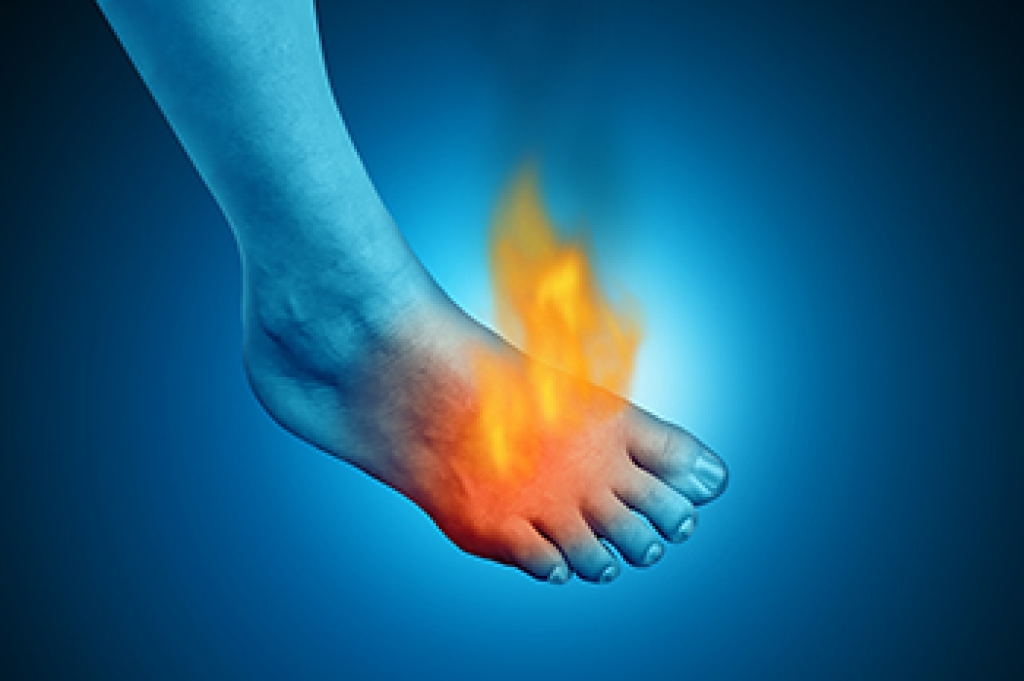
Burning on the bottom of the feet can feel like heat, pins and needles, or prickling. This sensation is often called paresthesia and may develop after activity. Symptoms can range from mild irritation to discomfort that affects walking. Common causes include nerve irritation, fungal infections, and forefoot pressure. Risk factors include diabetes, excessive sweating, and standing. Identifying the cause is important because burning feet can require different treatments.
A fungal infection can cause burning when irritated skin develops between the toes. Other symptoms may include itching, scaling, and cracking. Peripheral neuropathy affects nerves that carry signals between the feet and brain. It may cause burning, numbness, or sensitivity. Diabetes is an important risk factor. Morton’s neuroma involves irritation of a nerve between the toes. It may cause burning pain, tingling, or a pebble-like feeling inside the shoe. Tight shoes and forefoot pressure can increase risk.
A podiatrist begins by reviewing your symptoms, health history, and footwear. The feet may be examined for skin changes, nerve sensitivity, and pressure points. Testing may be recommended when symptoms suggest neuropathy or another underlying condition. Treatment depends on the cause and may include antifungal medication, footwear changes, or medication recommendations for nerve discomfort. A podiatrist may monitor healing and address contributing foot problems to reduce irritation and protect healthy skin.
Burning feet should not be ignored when symptoms persist, worsen, or interfere with daily activities. Early evaluation can help identify the cause. Keeping feet clean and dry, choosing properly fitted shoes, and checking the skin regularly can support foot health. Many causes can be managed effectively and safely with proper treatment. If you have a burning sensation on the bottom of your feet, it is suggested that you consult a podiatrist for an accurate diagnosis and appropriate treatment.
Foot Pain
Foot pain can be extremely painful and debilitating. If you have a foot pain, consult with one of our podiatrists from Pennsylvania Foot & Ankle. Our doctors will assess your condition and provide you with quality foot and ankle treatment.
Causes
Foot pain is a very broad condition that could be caused by one or more ailments. The most common include:
Diagnosis
To figure out the cause of foot pain, podiatrists utilize several different methods. This can range from simple visual inspections and sensation tests to X-rays and MRI scans. Prior medical history, family medical history, and any recent physical traumatic events will all be taken into consideration for a proper diagnosis.
Treatment
Treatment depends upon the cause of the foot pain. Whether it is resting, staying off the foot, or having surgery; podiatrists have a number of treatment options available for foot pain.
If you have any questions, please feel free to contact one of our offices located in Bensalem, Philadelphia, Northeast Philadelphia, Yardley, PA, and Hamilton, NJ . We offer the newest diagnostic and treatment technologies for all your foot care needs.

Do you suffer from heel pain when you get up in the morning? If so, you should seek professional help and have a proper diagnosis performed. Heel pain can be caused by several different foot-related conditions.
Connect With Us
